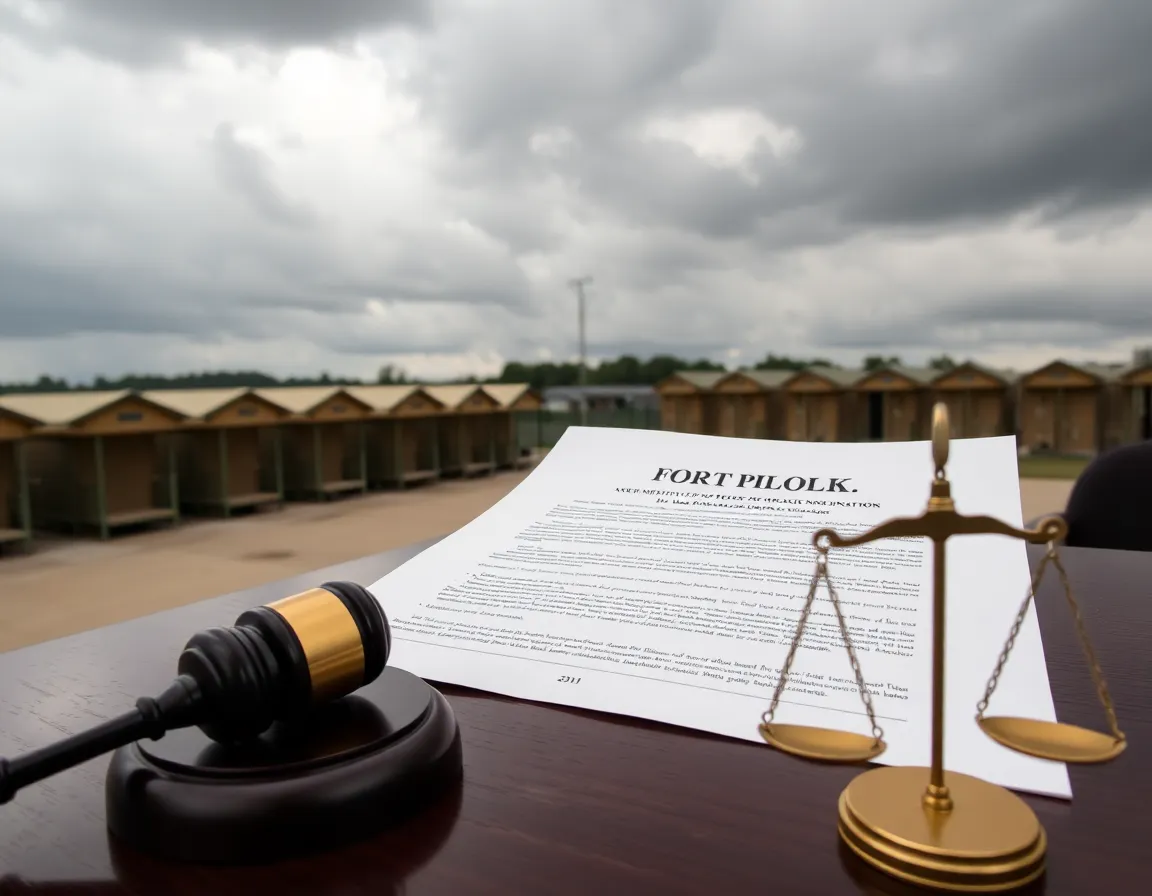
Short answer: Fort Polk, Louisiana, gets its bad reputation from its isolation, the heat and humidity, aging barracks, and few off-post jobs or things to do in nearby Leesville. Soldiers also complain about slow in- and out-processing. On the plus side, it hosts the Army’s Joint Readiness Training Center, housing is cheap, and the outdoors are excellent.
Last reviewed: November 13, 2026
Fort Polk or Fort Johnson? The name, explained
The base has changed names twice in three years. It was renamed Fort Johnson in 2023, honoring World War I Medal of Honor recipient Sgt. William Henry Johnson. On July 11, 2025, the Army restored the name Fort Polk, this time honoring Gen. James H. Polk, a World War II Silver Star recipient (American Press). Older forum posts and reviews may use either name; they describe the same post near Leesville, Louisiana.
Searches for “why is Fort Polk so bad” come mostly from soldiers with orders there and their families. Below is what people most often criticize, how fair those complaints are, and what the base does well.
Why Fort Polk has a bad reputation
Most complaints fall into five areas:
- Isolation: Fort Polk sits in rural west-central Louisiana. Leesville is small, and the nearest large cities are hours away.
- Limited amenities: Fewer restaurants, stores and entertainment options than at bases near big cities.
- Older infrastructure: Some barracks and buildings are dated, with recurring maintenance problems.
- Climate: Long, hot, humid summers, frequent storms, and plenty of insects.
- Few jobs for spouses: The small local economy makes it hard for military spouses to find work.
Barracks and living conditions
Barracks are the most common complaint from junior enlisted soldiers. Reported problems include mold and water damage, aging heating and air-conditioning systems, plumbing issues, and unreliable Wi-Fi. Some buildings have been renovated, but quality varies from building to building, and that day-to-day experience shapes morale more than anything else.
Climate and environment
Louisiana summers are hot and humid, which makes physical training and field exercises draining. The area is heavily forested, with swamps, snakes and mosquitoes. Soldiers from cooler or urban areas often find the adjustment hard; people who like hunting, fishing and camping often see the same environment as a benefit.
How Fort Polk compares with Fort Hood
Fort Hood in Texas (called Fort Cavazos from 2023 to 2025) is the comparison soldiers make most often. Fort Hood is larger and closer to cities, but it drew national attention for crime and leadership failures. Fort Polk’s complaints are different: they center on location, facilities and quality of life rather than safety or command problems. Neither base suits everyone.
Amenities on post
Fort Polk has the standard support services: a commissary and PX, on-post housing, child development centers, schools, gyms and recreation facilities. The common criticism is that they are smaller or older than at major installations, with fewer choices nearby when something isn’t available on post.
In-processing and out-processing
New arrivals often describe in-processing as slow and confusing, with paperwork delays and limited guidance. Out-processing draws similar complaints, especially when it involves coordinating with another installation or veteran services. Arriving with copies of orders, medical records and household-goods paperwork helps.
Mental health and morale
A remote post with little to do off duty can wear on people. Soldiers report loneliness and feeling stuck, and access to behavioral health appointments can involve waits. Chaplain services and unit programs are available. If you or someone in your unit is struggling, the Veterans and Military Crisis Line is available by dialing 988 and pressing 1.
What Fort Polk does well
- Top-tier training: The Joint Readiness Training Center (JRTC) is one of the Army’s main combat training centers.
- Low cost of living: Housing near Leesville is far cheaper than near most large bases.
- Outdoors: Kisatchie National Forest is close by for hunting, fishing, hiking and camping.
- Close community: Many soldiers say the isolation builds tight friendships and support networks.
Fort Polk pros and cons at a glance
| Pros | Cons |
|---|---|
| JRTC training experience | Remote location, few big-city amenities |
| Cheap housing | Older barracks in some areas |
| Hunting, fishing and camping nearby | Hot, humid summers and insects |
| Tight-knit community | Limited jobs for spouses |
Final thoughts: is Fort Polk really that bad?
Fort Polk is remote, its facilities are uneven, and the climate is tough. But it offers some of the Army’s best training, affordable living and a strong community. How it feels depends largely on your expectations, your family situation and how much you enjoy the outdoors.