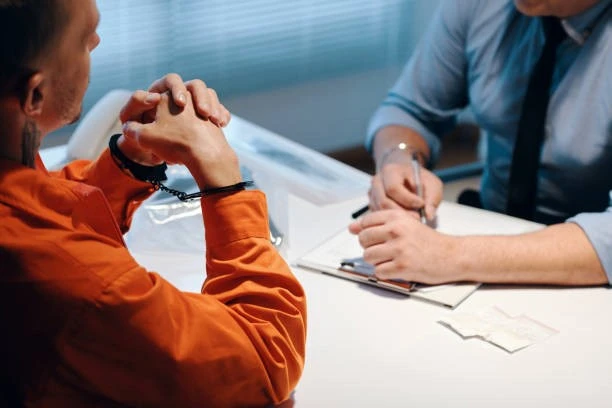
Police officers may interpret nervous behavior as a sign of guilt during questioning or an investigation, but nervousness alone does not prove that someone has committed a crime. Shaking hands, avoiding eye contact, speaking hesitantly, or appearing unusually anxious can result from fear, confusion, stress, or discomfort around law enforcement. Understanding how officers interpret these reactions can help people recognize why assumptions about behavior may influence an investigation without establishing criminal wrongdoing.
Gainesville, Florida, is home to the University of Florida and has a mix of residential neighborhoods, student communities, and busy commercial areas. Police interactions can occur in many settings, from traffic stops to investigations involving alleged theft or other offenses. Anyone facing criminal allegations in the area may benefit from understanding how behavioral observations are evaluated alongside other evidence.
Consulting a top-rated criminal defense lawyer in Gainesville, FL can help someone understand their rights and assess whether assumptions about their behavior influenced the investigation.
Nervous Behavior Does Not Establish Criminal Guilt
People respond differently when questioned by police. Someone who has never been arrested may feel intimidated by an officer’s questions, while another person may appear calm despite being under investigation. Cultural differences, communication difficulties, neurodivergence, trauma, and medical conditions can also affect how a person behaves during stressful encounters.
Although officers may consider behavior when deciding whether to ask further questions, nervousness is not reliable proof of guilt on its own. Investigators should examine the circumstances and seek corroborating evidence rather than treating anxiety as confirmation of suspicion.
Police May Use Behavior to Guide Further Investigation
During an encounter, an officer may observe a person’s movements, tone of voice, responses, or apparent hesitation. These observations might influence decisions about follow-up questions or whether to investigate a particular explanation more closely.
However, an officer’s interpretation is subjective. A person who looks away while answering questions may be uncomfortable rather than deceptive. Similarly, inconsistent answers can result from confusion, poor recall, or the pressure of being questioned. Behavioral observations should therefore be considered in context and compared with other available evidence.
Constitutional Rights Can Limit Police Questioning
The legal rules governing a police encounter depend on whether the interaction is voluntary, a detention, or an arrest. In the United States, the Fourth Amendment protects against unreasonable searches and seizures, while the Fifth Amendment provides protections against compelled self-incrimination.
Florida law also addresses custodial questioning. Under Florida Statutes § 901.24, a person arrested must be taken before a judicial officer for a first appearance within the time prescribed by law, generally no later than 24 hours after arrest. This requirement is separate from the rules governing interrogation, but it illustrates that police procedures are subject to legal safeguards.
During custodial interrogation, Miranda protections may require officers to advise a person of certain rights before questioning. Whether those protections apply depends on the circumstances, including whether the person is in custody and being interrogated. A person generally does not have to prove innocence simply because an officer considers them suspicious.
Other Evidence Matters More Than Assumptions Alone
Criminal investigations typically rely on multiple forms of evidence, which may include surveillance footage, physical evidence, witness statements, digital records, and forensic findings. If a case proceeds to court, the prosecution must prove the required elements of the charged offense beyond a reasonable doubt.
A defense may challenge how officers interpreted a person’s conduct, identify inconsistencies in witness accounts, or question whether evidence was collected lawfully. Video recordings or independent witnesses may provide context that was missing from an officer’s initial impression.
Key Takeaways
- Nervousness alone does not establish criminal guilt.
- Stress, fear, medical conditions, and communication differences can affect behavior during police encounters.
- Officers may consider behavior during an investigation, but their interpretations should be assessed alongside other evidence.
- Constitutional protections may limit questioning, searches, and the use of compelled statements.
- Legal counsel can help evaluate whether behavioral assumptions unfairly influenced an investigation.