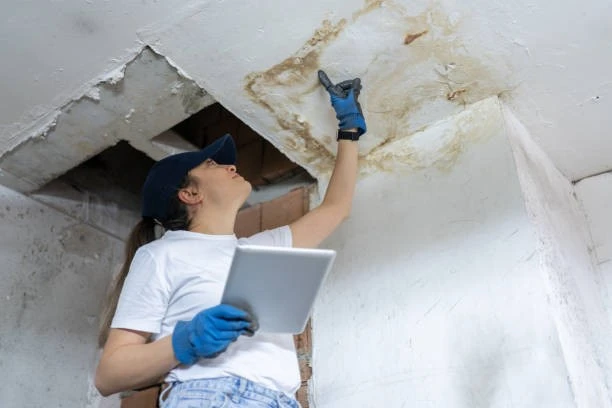
Toxic mold claims arise when exposure to mold in a home or building causes health problems or property damage. To succeed in a claim, you must prove the mold existed, the property owner knew or should have known about it, and the exposure caused harm.
San Diego is located in Southern California and is known for its coastal climate and mild temperatures. While the region is generally dry, certain areas can experience moisture buildup from leaks, poor ventilation, or plumbing issues. As one of California’s largest cities, San Diego has a mix of older properties and new developments, where maintenance issues can sometimes go unnoticed.
Mold claims can be complex because they often involve medical, environmental, and property damage issues. If you are dealing with mold exposure in this region, consulting an experienced North County mold lawyer can help you understand how California premises liability laws apply to your situation.
What Causes Toxic Mold Growth?
Mold grows in damp or humid environments. Common causes include water leaks, roof damage, plumbing failures, and poor ventilation.
Even small leaks behind walls can lead to hidden mold growth over time. Property owners have a duty to address moisture problems promptly.
Failure to fix known water issues may support a negligence claim.
Health Effects Linked to Mold Exposure
Not everyone reacts to mold in the same way. Some individuals experience mild symptoms, while others face more serious health concerns.
Common symptoms may include:
- Coughing or wheezing
- Skin irritation
- Sinus congestion
- Headaches
- Fatigue
In severe cases, prolonged exposure may aggravate asthma or other respiratory conditions.
Medical records are important for connecting symptoms to mold exposure.
Proving Liability in a Mold Claim
To recover compensation, you must show that the property owner was negligent. This means proving they knew or should have known about the mold problem.
Evidence may include maintenance records, repair requests, inspection reports, and communication with the landlord or property manager. Photos of visible mold and professional testing results can strengthen your claim.
The stronger your documentation, the more credible your case becomes.
Minor Moisture Issue vs. Serious Mold Contamination
Not all moisture problems result in toxic mold claims. Minor condensation that is addressed quickly may not create liability.
Serious mold contamination that is ignored for months can lead to significant health and property damage. Courts often look at how long the issue existed and whether it was properly handled.
The severity of the condition affects potential compensation.
Property Damage vs. Personal Injury Claims
Toxic mold claims may involve both property damage and personal injury. Property damage includes harm to walls, flooring, furniture, and personal belongings.
Personal injury claims focus on health effects caused by exposure. These may involve medical bills, lost income, and ongoing treatment costs.
The type of claim influences the evidence required.
Insurance Coverage Issues
Insurance coverage can be complicated in mold cases. Some policies limit or exclude mold-related damage.
Landlords and property owners may rely on insurance defenses. Reviewing the policy language is often necessary to understand coverage limits.
Disputes may arise over whether the mold resulted from sudden damage or long-term neglect.
Steps to Take if You Suspect Toxic Mold
Taking prompt action can protect your health and legal rights.
- Document visible mold with photos and written notes.
- Report the issue in writing to the property owner or manager.
- Seek medical evaluation if you experience symptoms.
- Request professional inspection and testing if necessary.
- Keep copies of repair requests and communication records.
These steps create a clear record of the problem and your response.
Long-Term Impact of Unresolved Mold
If mold is not addressed, damage can worsen over time. Structural materials may weaken, and contamination may spread.
Health problems can also become more severe with prolonged exposure. Early intervention often reduces both medical and repair costs.
Delays may complicate both insurance and legal claims.
Key Takeaways
- Toxic mold claims require proof of negligence and harm.
- Mold often results from leaks or moisture buildup.
- Medical documentation is important for personal injury claims.
- Property damage and health claims may differ.
- Insurance coverage disputes are common in mold cases.
- Early written notice strengthens your position.
- Prompt action protects both health and legal rights.